
My Boring Vision for CEO Communication From Now On
September 18, 2026
Before the pendulum inexorably swings back toward the celebrity CEO, can exec comms pros come to a sensible consensus about what stakeholders generally want from CEOs—and strive to deliver?

Yesterday I was interviewed by a prominent business professor who asked me a bunch of hard, big-picture questions about CEO communication past, present and future.
Her questions must have been good, because they drew a kind of vision out of me. A boring vision, I’m afraid. But a sustainable one, born of watching the vicissitudes of exec comms for 35 years.
I wonder if exec comms pros can agree to it.
The professor asked me whether I thought it came as “a relief” to CEOs when, after several years of reacting to, weighing in on and publicly emoting about social issues like COVID, George Floyd, January 6, the Georgia voting rights law and the like, a new corporate leadership consensus emerged: They’d only talk about issues directly pertaining to their business interests.
I told her it probably did. But I said that CEOs have other instincts, too:
To preen, for one. That’s why so many CEOs submit to those “day in the life” profiles, always bragging about how early they get up and how much they work out and how healthy they eat and how long they work and how early they go to bed. A related weakness drove many CEOs a generation ago to strive to get their strategically scowling mugs on the covers of business magazines, to draw readers into elaborate, exciting stories about what makes them tick. The corporate Übermensch routine.
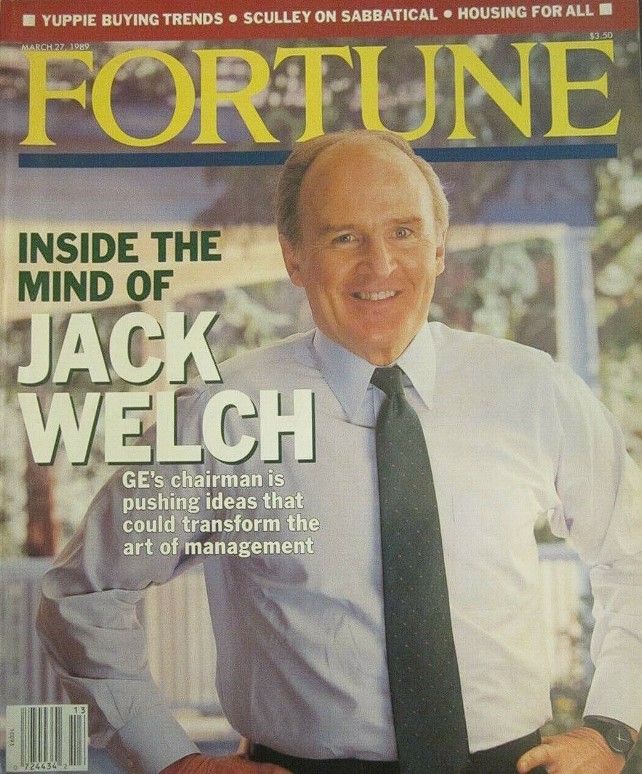
But I think socially thoughtful CEOs also recognize that they need to project some kind of public persona to lead a successful company in a democratic, capitalist society.
What kind of persona?
A limited one, somewhere shy of iconoclastic. (We don’t want the corporate brand deflated if the CEO fails or leaves.)
A humble one, far short of being a pundit or commentator on issues beyond what their industry insight or their unique economic knowledge qualify them to discuss—I’m looking at you, Jamie Dimon—but knowing when you have a unique and useful view on an issue, and expressing it, timely and clear.
An often dull one, wherein the CEO says the expected thing far more frequently than provocative one. Reassuring, homespun predictability worked for Warren Buffett (and Warren Buffett worked for us).
But a colorful and genuine enough persona that people who care about your organization because they work there or shop there or invest there feel they know (and are reminded regularly) what makes the leader special and what makes the leader human, too.
Bonus: An idea that distinguishes the CEO, if not quite as a public intellectual, at least as a person who thinks beyond their corporate role.
And that’s it! With the inevitable rule-proving and unmanageable exception of a Steve Jobs (or an Elon Musk), no CEO more flashy is necessary or probably advisable, and no CEO less substantive is sufficient for a society that wants human faces on its corporate institutions—but also expects those folks to exist within a fairly narrow band of behavior and attitude.
I told you it was boring. But after more than three decades of watching CEOs swing from stuntin’ on the Jumbotron to hiding under their desk, it seems like the sustainable, sensible, sane way to go—now, and from now on.
Thoughts, exec comms pros?
RELATED
David Murray Executive Director, Executive Communication Council

Tim Pollard CEO, Oratium
EVENTS
-
How to (Finally) Integrate AI Into Your Exec Comms Workflow
APR 3-4 -
AI for Leadership Communication – Custom Workshop
Get in touch! -
Speechwriting School
OCT 26 -
PSA World Conference
OCT 26 - 28